Innovation and circular approaches for animal and agro-industrial residues: Connecting Peru and Mexico
Innovation und Kreislaufansätze für tierische und agroindustrielle Reststoffe: Peru und Mexiko verbinden
Innovación y enfoques circulares para residuos animales y agroindustriales: Conectando Perú y México
Background and Motivation
In Peru and Mexico, considerable quantities of organic waste are generated from animal and agro-industrial processes.
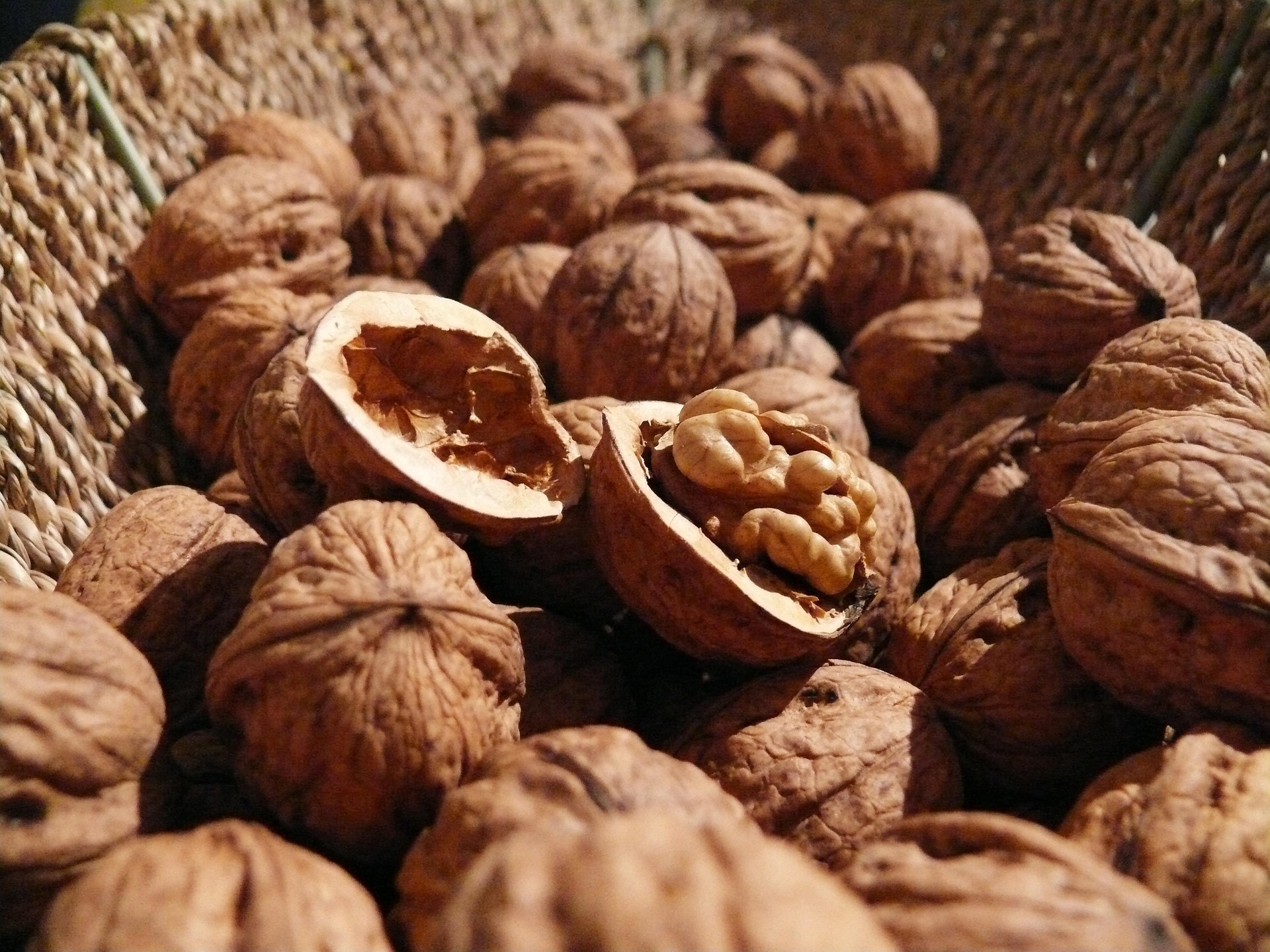
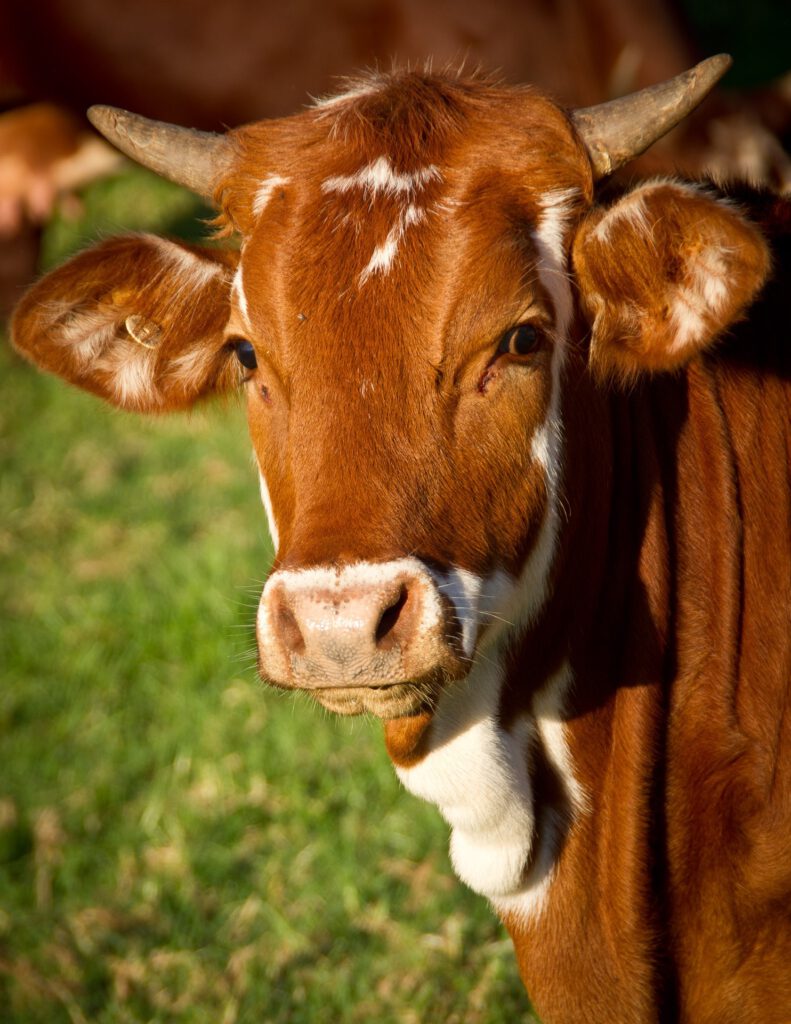
In the municipality of Mina in the Mexican state of Nuevo León, for example, around 1,000 to 1,500 tonnes of nut shells are produced annually as a by-product, most of which has been disposed of until now. In addition, cattle fattening in the area generates around 11,000 tonnes of manure per year, some of which is passed on to neighbouring regions as fertiliser. In Lampazos, around 115 km from Mina, there is also a cattle fattening facility with a production capacity roughly three times that of Mina.
In Peru, the generation of organic waste from animal and agro-industrial processes is concentrated primarily in agriculture, animal husbandry, fruit and fish processing, as well as breweries and slaughterhouses. In both countries, current waste disposal practices are associated with considerable problems, including odour and hygiene issues as well as adverse environmental impacts. Although this issue has been known for a long time, there is still a lack of systematic strategies for sustainable recycling.
As a result, considerable economic potential is being lost, particularly with regard to the use of materials for the development of new materials and energy recovery as a sustainable energy source.
Download the application form
Please read the call for application document carefully before filling out the application form.
The application deadline has been extended to 5 April 2026 (23:59 CEST)
Where we are
Co-operation Partners

Funded by